It’s Not Burnout. It’s Betrayal.
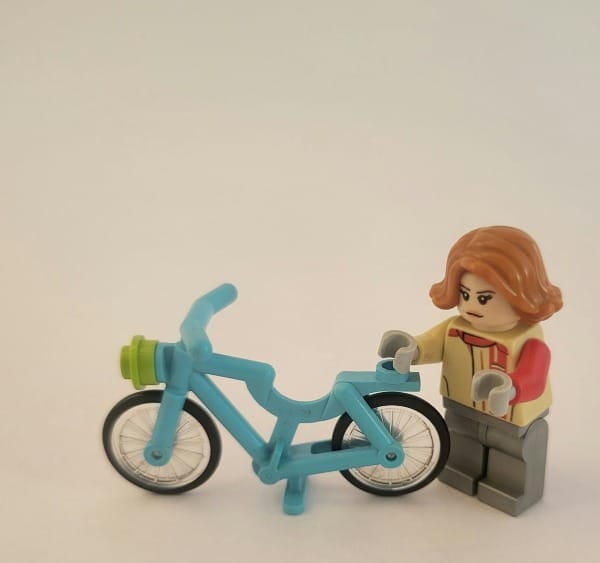
Burnout is when your bike gets a flat.
Betrayal is when someone slashes the tires and leaves you the repair bill.
We were never meant to collapse alone at 2 a.m., trying to make liberation fit inside a spreadsheet.
We can stop designing systems that people have to recover from.
A woman sits at her desk.
Her inbox is full.
Her back aches.
Someone pings her on Slack: “quick question :)”.
She closes her laptop.
Opens it again.
Closes it.
Outside, the world is relentless chaos.
Inside, her team is planning a resilience retreat.
There will be visioning. Oils. A meditation.
Someone will cry.
Everyone will go home tired.
Nothing will change.
They’ll say she’s burned out.
But she did take a break.
She set boundaries.
She asked for support.
She spoke up in that staff meeting.
And what did she get?
“You’re being unprofessional.”
“We’ll take that offline.”
“You seem off. Maybe take some time.”
Or worse, silence.
So no. It’s not burnout. It’s betrayal.
It’s the moment she realizes:
- The “collaborative” decision was already made
- Feedback is performance, not relationship
- Equity is welcome until it costs comfort
- She’s performing alignment, she doesn’t feel
Because she's:
- Carrying work that was meant to be shared
- Only praised for unsustainable labour
- Asking for accountability and being labeled “difficult”
- Navigating conflict in systems that never learned how to hold it
Her body knows. But the organization insists everything's fine.
She is not broken. She is responding.
This isn’t a failure of resilience.
It’s a failure of design.
It’s the nervous system saying: This isn’t working.
It's a canary in a coal mine.
A Different Diagnosis
What if we named these moments not as personal burnout, but legitimate organizational feedback?
What if collapse was the body saying:
- Your values are out of sync with your structures
- Your capacity is misaligned with your commitments
- You’re trying to do collective work in isolation
What if, instead of asking people to stretch themselves thinner, we redesigned the container?
We Need Systems That Don’t Require Self-Sacrifice
If Project Management Were About Care
Most project management systems are extractive.
They’re built to maximize output, minimize cost, and track productivity.
These values come from industrial capitalism, not relational care.
So when equity-rooted teams try to use Asana or ClickUp, they feel like they’re forcing emergent, collaborative work into a rigid frame. It creates friction—not flow.
Let’s reimagine project management as a care practice. A way to build trust and not just track tasks.
Shift the Philosophy
Old Frame → Liberatory Shift
- Assign tasks → Invite contributions
- Track deadlines → Make agreements visible
- Measure deliverables → Honour capacity and commitments
- Prioritize efficiency → Prioritize safety, sustainability, and impact
- Manage people → Steward relationships and shared vision
Principle: Project management isn’t about doing more.
It’s about doing what matters, together, in ways we can sustain.
Practices That Hold People
- Start with context. What’s this work for? Who’s it for? What do we need to begin?
- Map capacity. Who’s got space? Who’s stretched? Make it visible.
- Build in feedback. Pause. Reflect. Adjust. Not just at the end.
- Plan for grief and change. People leave. Projects shift. Rituals help.
- Offer mutual aid. Share what you can offer and what you need. Create “support windows”.
- Work with rhythm. Rest weeks. Slower timelines. Progress over productivity.
Simple Tool Hacks
(Keep the Platform, Change the Frame)
- Notion: Use toggles for “What I need to feel supported”
- Asana: Rename “Assignee” to “Steward”
- Slack: Create a
#capacity-checkor#mutual-aidchannel, automate reminders - Google Sheets: Living matrix of time, energy, and material needs
Project management doesn't have to be about keeping people on track.
It can be about staying in a generative relationship with the work, with each other, with ourselves.
Success isn’t just meeting a deadline.
It’s knowing no one was left carrying more than they could hold.
We can build systems that remind us:
You’re not alone.